Fashion as Collectible Artistic Expression
In the intersection between gallery walls and closet rails lies a revolutionary concept that challenges our understanding of both fashion and art: wearable art. No longer confined to the static display of museums or the ephemeral nature of runway shows, artistic expression has found a dynamic new canvas—the human body in motion through daily life. This movement represents more than aesthetic innovation; it positions garments, accessories, and home textiles as legitimate collectible art forms, worthy of the same consideration as paintings, sculptures, or installations.
Redefining the Boundaries
For centuries, the relationship between art and fashion has been fraught with hierarchy. Fine art occupied the upper echelons of cultural value, while fashion—despite its creativity, craftsmanship, and cultural impact—was often dismissed as merely decorative or commercial. The wearable art movement dismantles this artificial boundary, asserting that garments can be simultaneously functional and profound, practical and collectible, everyday and extraordinary.
Wearable art transforms clothing from temporary commodities into enduring artistic statements. A dress becomes more than something to wear to an event; it becomes a piece you acquire, preserve, and potentially pass down as you would a cherished artwork. This shift in perspective elevates both the creator and the collector, recognizing fashion designers as artists and fashion enthusiasts as art patrons.
The Artist-Designer
The emergence of the artist-designer—someone who navigates fluidly between traditional art forms and fashion design—has been central to this evolution. These creators approach garment-making with the same intentionality, conceptual depth, and technical mastery that sculptors bring to bronze or painters to canvas. Each piece tells a story, embodies an idea, or explores a theme, making the work intellectually engaging beyond its visual appeal.
What distinguishes wearable art from conventional fashion is this artistic intentionality. While fashion responds to trends, seasons, and market demands, wearable art prioritizes artistic vision. The work may be provocative, challenging, or unconventional. It asks questions and invites interpretation. Most importantly, it maintains its artistic integrity whether worn on the street or displayed on a wall.
Art in Everyday Life
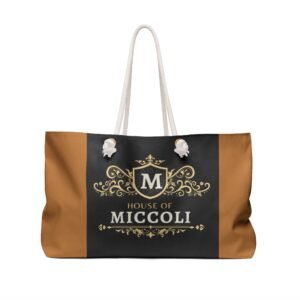
One of the most exciting developments in wearable art is its democratization—the idea that artistic expression needn’t be confined to unwearable gallery pieces or limited-edition couture. Designer Maria Miccoli of House of Miccoli exemplifies this philosophy, bringing sophisticated art designs into everyday fashion, footwear, and home apparel. Her work demonstrates that wearable art can be both accessible and collectible, proving that we needn’t sacrifice functionality for artistic merit.
Miccoli’s approach represents a crucial evolution in the wearable art movement. By infusing daily-use items with artistic vision, she challenges the notion that art and practicality are mutually exclusive. A pair of shoes becomes a miniature sculpture for the feet. Home textiles transform living spaces into curated galleries. Everyday clothing carries the weight of artistic intention while maintaining the comfort and wearability essential to daily life. This accessibility doesn’t diminish the collectibility of the work—instead, it enhances it by allowing collectors to integrate art meaningfully into their lives rather than keeping it sequestered behind glass.
The Collector’s Perspective
For collectors, wearable art offers unique advantages over traditional art forms. These pieces can be experienced multisensorially—seen, touched, worn, and lived with in ways that static artworks cannot. They create intimate relationships between owner and object, as the act of wearing art becomes a performance, a conversation, and a form of self-expression.
Collecting wearable art also represents a more dynamic form of patronage. Unlike purchasing a painting that hangs unchanged on a wall, acquiring wearable art means actively participating in the artwork’s ongoing life. Each time you wear the piece, you complete it, giving it new context and meaning. The garment ages with you, develops its own history, and tells dual stories—that of the artist’s vision and that of your own lived experience.
Savvy collectors recognize that wearable art often represents significant investment potential. As fashion history gains academic legitimacy and museums increasingly acquire fashion pieces, well-chosen wearable art can appreciate substantially. Pieces by visionary designers—particularly those who bridge art and fashion—become increasingly valuable as cultural artifacts. The key is recognizing artistic merit and innovation early, acquiring pieces that represent pivotal moments in design evolution.
Beyond the Body: Home as Gallery
The concept of wearable art has naturally extended into home apparel and textiles, blurring the line between fashion and interior design. Art-infused home goods—from printed pillows and throws to sculptural vessels and decorative objects—allow collectors to create cohesive artistic environments. These pieces carry the same intentionality and collectibility as garments while serving different functional purposes.
This expansion recognizes that personal style extends beyond what we wear to encompass how we live. A collector might coordinate a dress, footwear, and home textiles all bearing variations of the same artistic vision, creating a total aesthetic experience. This holistic approach to wearable art positions it as a lifestyle rather than simply a wardrobe choice.
The Technical Mastery
Wearable art demands technical excellence across multiple disciplines. The artist-designer must understand not only aesthetic principles but also engineering, materials science, and human ergonomics. A sculptural necklace must balance visual impact with wearability. A printed textile must maintain artistic integrity through the manufacturing process. Footwear must marry architectural innovation with biomechanical functionality.
This technical complexity adds to the collectibility of wearable art. Each piece represents countless hours of development, prototyping, and refinement. The visible artistry is supported by invisible problem-solving—how to make a structure flexible, how to ensure a print won’t fade, how to construct a garment that moves with the body. This hidden craftsmanship rewards close examination and deepens appreciation over time.
Digital Technologies and New Possibilities
Contemporary digital technologies have expanded the possibilities for wearable art exponentially. Digital printing allows for photographic reproduction quality on textiles, enabling artists to transfer paintings, photographs, and digital art directly onto fabric. 3D printing creates structural elements previously impossible to manufacture. Laser cutting achieves precision that would challenge the steadiest human hand.
These technologies democratize both creation and collection. Artists can produce limited runs without massive manufacturing infrastructure. Collectors can access sophisticated designs at various price points. The tools lower barriers while raising creative ceilings, allowing more artists to participate in the wearable art movement while pushing boundaries of what’s technically achievable.
Sustainability and Lasting Value
The wearable art movement inherently challenges fast fashion’s disposability culture. When you position a garment as collectible art, you commit to its longevity. These pieces are designed to endure—constructed with quality materials, finished with exceptional craftsmanship, and conceived with timeless artistic vision rather than seasonal trends.
This emphasis on lasting value aligns with growing consumer awareness about sustainability. Collecting wearable art means investing in fewer, better pieces that maintain relevance across years or decades. It’s the antithesis of trend-chasing consumption, instead building a curated collection that reflects personal taste, supports artistic innovation, and minimizes environmental impact.
The Exhibition Space
Museums and galleries increasingly recognize wearable art’s legitimacy, mounting exhibitions that celebrate fashion as art form. The Metropolitan Museum of Art’s Costume Institute, London’s Victoria and Albert Museum, and institutions worldwide dedicate resources to acquiring, preserving, and exhibiting fashion as cultural heritage. This institutional validation reinforces wearable art’s position in the broader art world.
These exhibitions also educate the public about fashion’s artistic dimensions, revealing the conceptual depth, technical sophistication, and cultural significance behind garments often dismissed as mere clothing. They demonstrate that wearable art deserves the same serious consideration, scholarly analysis, and preservation efforts as any other art form.
Building Your Collection
For those beginning to collect wearable art, several principles guide successful acquisition. First, buy what speaks to you personally—collecting art of any kind requires genuine connection to the work. Second, research the artist’s vision and context—understanding the creative philosophy behind pieces deepens appreciation and informs value assessment. Third, consider versatility—pieces that can be worn, displayed, or styled multiple ways offer greater long-term satisfaction.
Documentation matters for collectible fashion. Preserve any certificates of authenticity, artist statements, or provenance information. Photograph pieces regularly to document their condition. Store garments properly using archival methods when not in use. These practices protect your investment while honoring the artistic labor that created each piece.
The Future of Wearable Art
As boundaries between disciplines continue dissolving, wearable art’s influence will likely expand further. We may see more collaborations between traditional artists and fashion designers, increased integration of performance and wearable art, and new hybrid forms that challenge our definitions of both fashion and art.
Technology will play a crucial role, with innovations like reactive fabrics, embedded electronics, and augmented reality creating entirely new categories of wearable art. These pieces might change color based on environment, display moving images, or respond to the wearer’s biometric data—transforming garments into interactive artworks.
A Living Art Form
Ultimately, wearable art represents one of the most vital and accessible art movements of our time. It brings artistic expression out of exclusive galleries and into daily life, making art something we experience intimately rather than merely observe from a distance. It recognizes that beauty and meaning can inhabit functional objects, that art can be both collected and worn, preserved and used.
For designers like Maria Miccoli who bring art into everyday items, and for collectors who recognize the value in such work, wearable art offers a path forward that honors both aesthetic excellence and practical living. It proves that we needn’t choose between art and life—we can wrap ourselves in both, walk through our days wearing artistic vision, and transform our homes into lived-in galleries.
In this movement, every closet becomes a collection, every outfit a curatorial decision, and every wearer a patron of the arts. Wearable art reminds us that beauty belongs everywhere, that artistic expression can be as comfortable as our favorite shoes, and that the line between art and life is exactly where the most interesting creative work happens.



More Stories
Fractal Lemonade Blues
The Perfect Weekend Bag
A Styling Guide